5 Powder Metallurgy Design Guidelines for Converting Cast Parts
Converting a cast component to powder metallurgy isn't always a direct transition. Differences in tooling, part geometry, and manufacturing processes...
4 min read
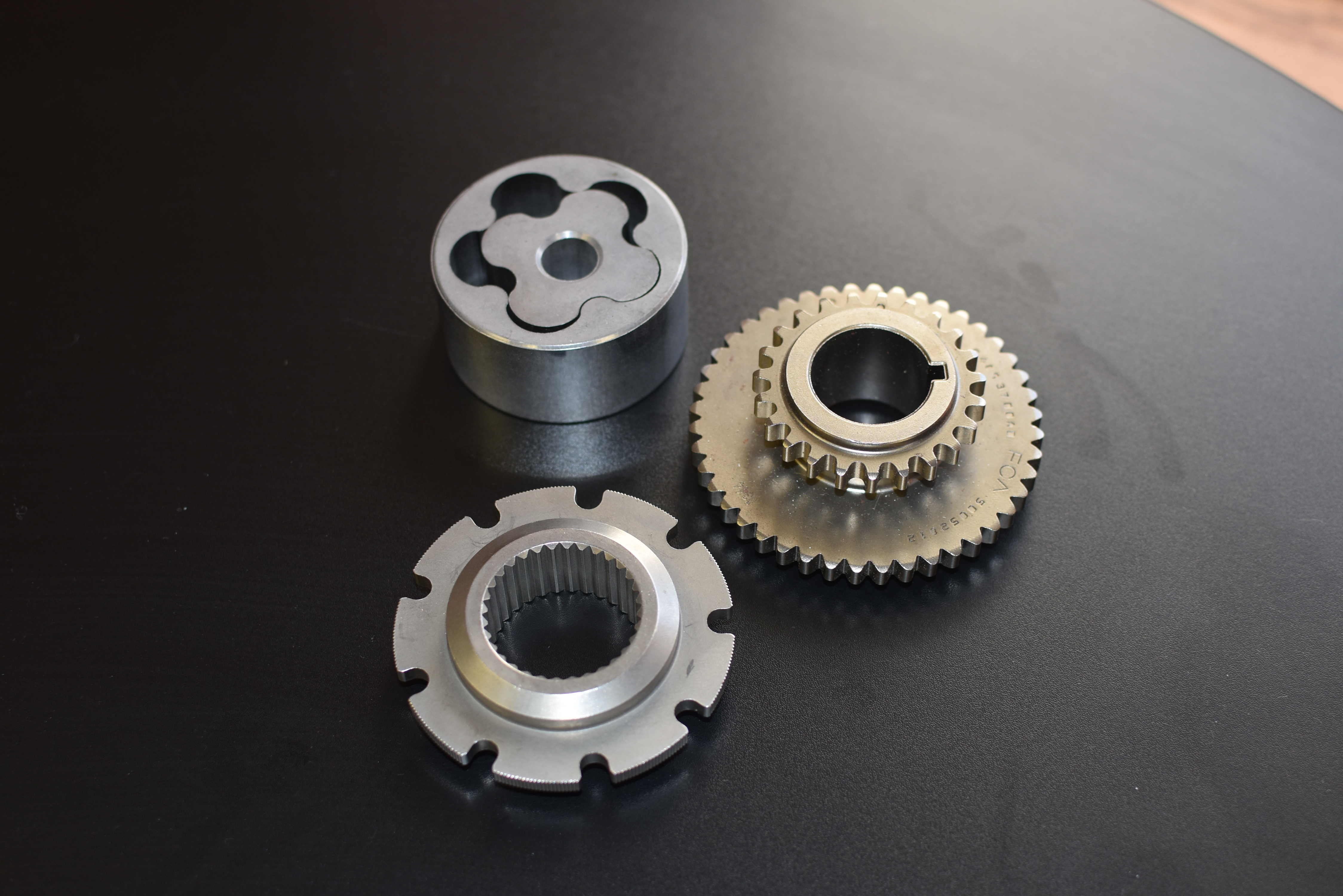
A component might look great on paper, but that doesn't always mean it's ready for manufacturing. When tooling requirements aren't considered early in the design process, manufacturers can face costly revisions, production delays, and unexpected challenges with part quality or assembly.
In powder metal manufacturing, tooling design and component design go hand in hand. The geometry, material, tolerances, and intended function of a part all influence how it can be compacted, sintered, and produced consistently.
Understanding these factors early can help engineers avoid unnecessary tooling complexity, reduce manufacturing costs, and develop components that perform reliably in their final applications.
Powder metallurgy die design is the process of developing the tooling used to compact metal powder into a specific component shape before sintering. The tooling determines how the powder is formed and plays an important role in achieving the required dimensions, density, and consistency of the finished component.
During die compaction in powder metallurgy, several tooling components work together:
After compaction, the green part is sintered under controlled conditions to bond the metal particles and develop its final properties.
Because tooling affects how powder fills, compacts, and releases from the die, its design influences dimensional consistency, part integrity, and production efficiency. Evaluating tooling feasibility during component development can help prevent costly design changes later.
Successful powder metal tooling begins with a component design that accounts for the manufacturing process. While powder metallurgy can produce complex geometries efficiently, certain features, material requirements, and tolerances can make a part more challenging or expensive to manufacture.
Component geometry is one of the most important factors in powder compaction tooling design.
During compaction, metal powder must fill the die cavity, compress into the intended shape, and release from the tooling without damaging the green part.
Several design features can influence this process:
Relatively small changes to a component's geometry can sometimes simplify tooling, eliminate secondary operations, and reduce manufacturing costs without affecting performance.
Different metal powders have characteristics that affect how they flow into the die, respond to compaction pressure, and behave during sintering.
Material selection should reflect the component's required strength, wear resistance, operating conditions, and mechanical properties.
Component geometry can also influence density distribution. Areas with varying thicknesses or complex features may respond differently to compaction, potentially affecting the consistency and integrity of the finished part.
Poorly matched geometry, tooling, or processing conditions can contribute to defects such as laminations, cracking, or density inconsistencies. Evaluating these factors together helps identify potential manufacturing challenges before production begins.

Not every dimension on a component needs the same level of precision. Some features directly affect fit, sealing, movement, or assembly, while others may allow greater variation without influencing performance.
Engineers should identify critical dimensions and account for dimensional changes that occur during sintering.
Depending on the component's requirements, secondary operations such as sizing or machining may be necessary to achieve specific tolerances or surface characteristics.
Applying unnecessarily tight tolerances across an entire component can increase tooling complexity and production costs. The goal is to achieve the precision the application requires without adding complexity where it provides no functional benefit.
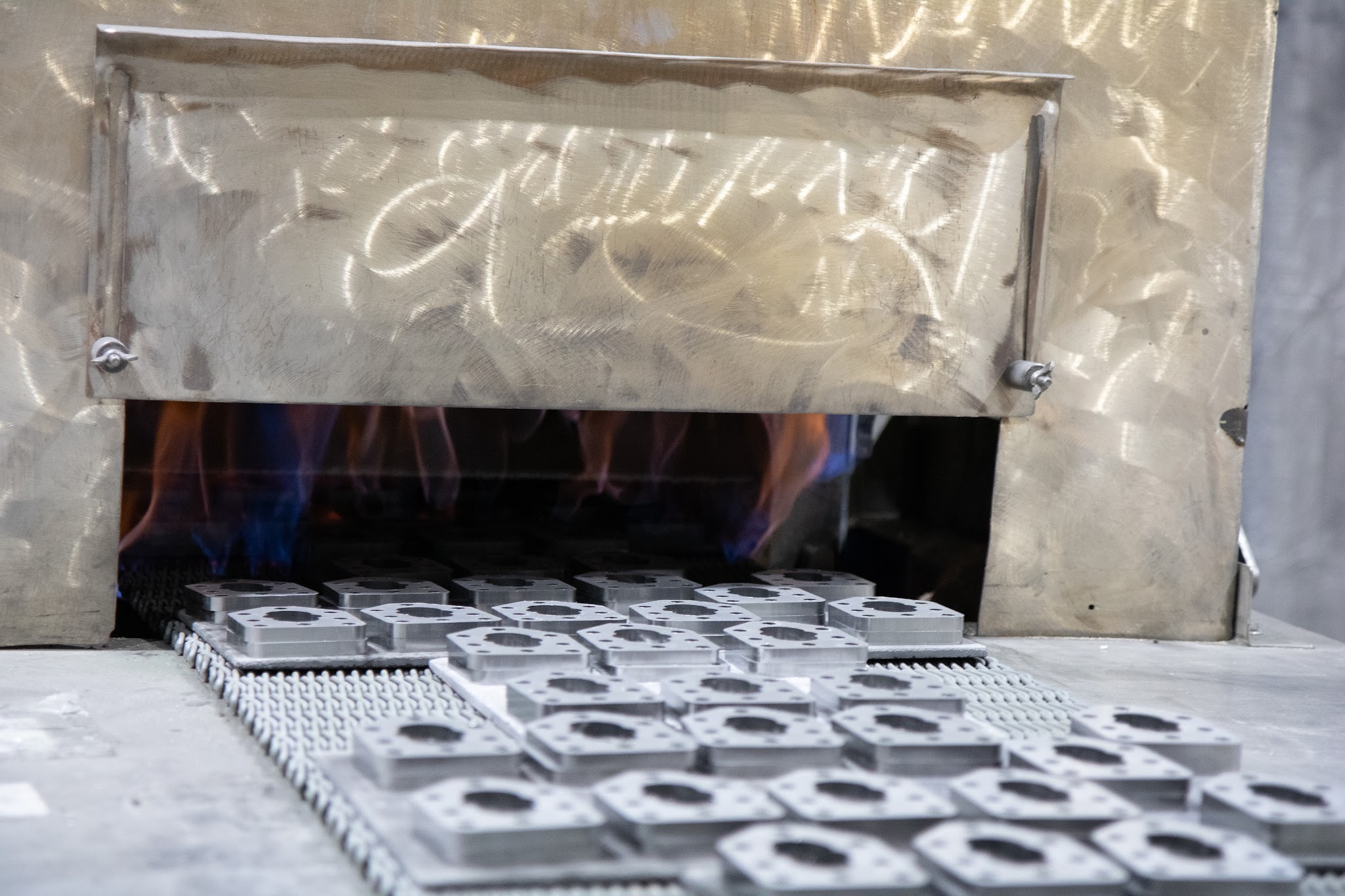
A powder metal component doesn't operate in isolation. Its performance depends on how it fits and functions within the larger assembly.
That's why design for manufacturability should also consider design for assembly (DFA).
Important assembly considerations include:
For example, gears, plates, and gerotors used in pump and hydraulic assemblies may require carefully controlled dimensions to support proper clearances, alignment, and operation.
Powder metallurgy's near-net-shape capabilities may also reduce secondary machining or assembly steps when component requirements allow. Considering these opportunities during tooling development can help improve overall manufacturing efficiency.
The best time to involve a powder metal manufacturer is before the component design is finalized and production tooling is ordered.
Early collaboration allows engineers to evaluate manufacturing feasibility, identify potential challenges, and make adjustments before those changes become costly.
For new component development, a manufacturer can help evaluate whether the proposed geometry, material, and dimensional requirements are suitable for powder metallurgy.
An early design review may identify opportunities to simplify features, improve compaction and ejection feasibility, adjust noncritical tolerances, or reduce secondary operations.
Addressing these considerations before tooling development can help avoid redesigns and support a smoother transition into production.
Powder metallurgy can also be an option for components currently manufactured through machining, casting, stamping, or other processes.
However, a component designed for another manufacturing method may not be directly suitable for powder metal production. Certain features may need to be modified to accommodate powder compaction and ejection.
A manufacturability review can help determine whether conversion is feasible while maintaining required performance. Production volume, tooling investment, material requirements, and secondary operations should all be considered when evaluating potential cost savings.
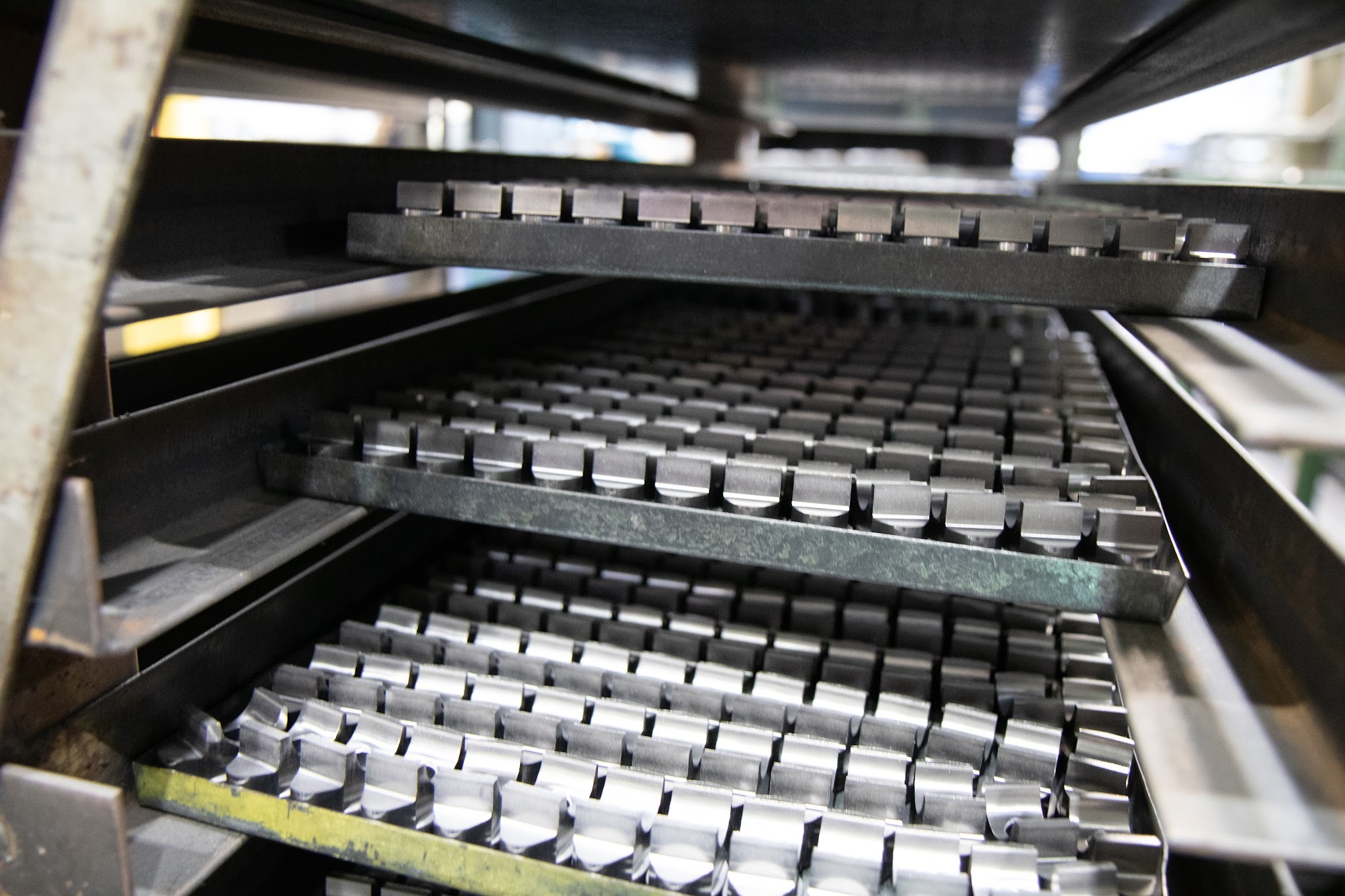
Before moving forward with powder metal tooling, engineers should review several important questions:
These questions provide a useful starting point for evaluating a component's readiness for powder metal manufacturing.
Effective powder metallurgy die design starts long before the first component is produced. By considering geometry, material selection, tolerances, and assembly requirements early, manufacturers can avoid unnecessary tooling challenges and develop components that are easier to produce consistently.
At COMTEC, we work with customers on both new powder metal component development and the evaluation of existing designs for powder metal conversion. Our goal is to help identify practical manufacturing solutions that meet the application's requirements without adding unnecessary cost or complexity.
Whether you're developing a new component or looking for a more efficient way to manufacture an existing one, early collaboration can help you make informed design decisions before investing in production tooling.
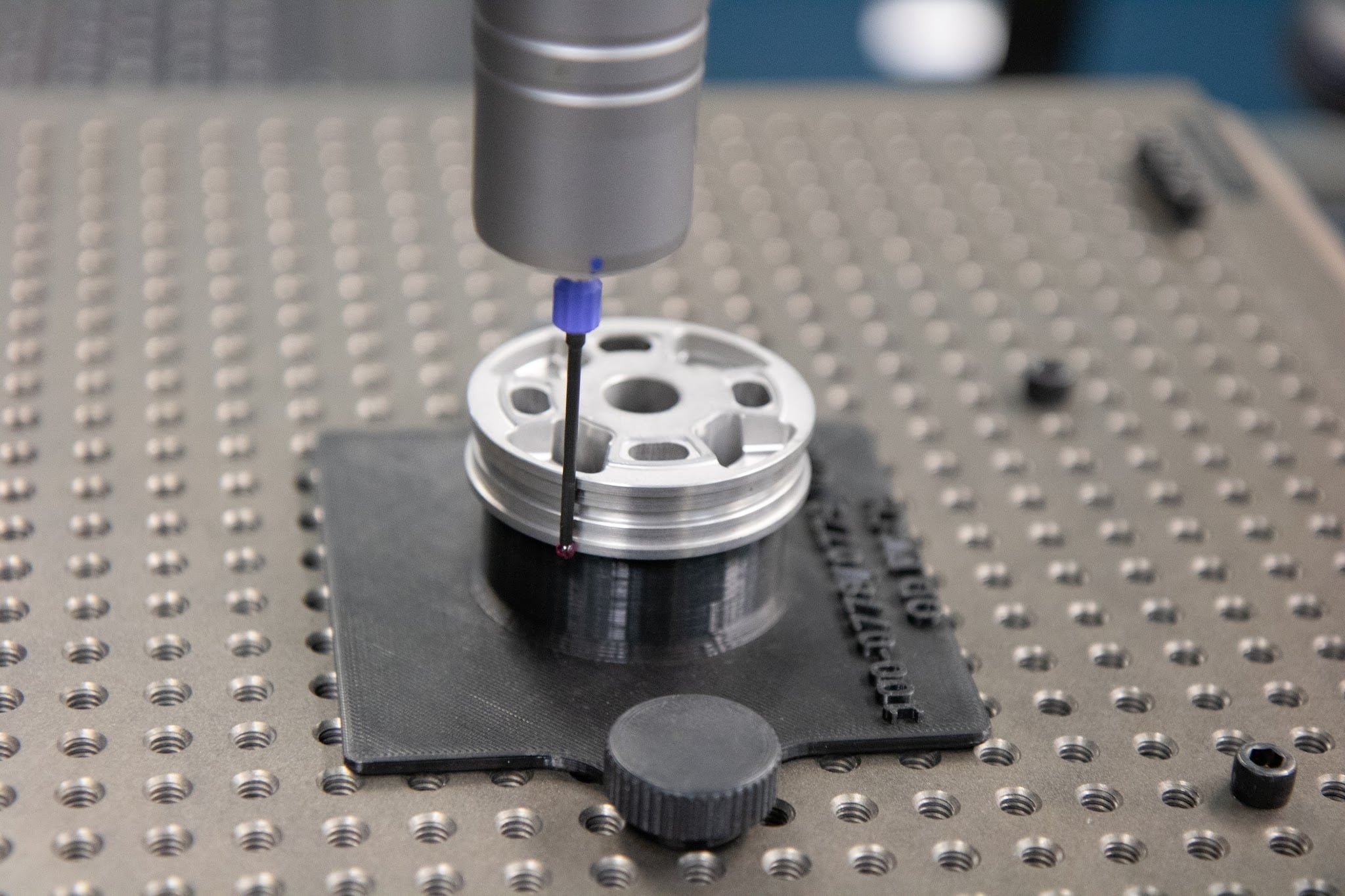
Converting a cast component to powder metallurgy isn't always a direct transition. Differences in tooling, part geometry, and manufacturing processes...
Agricultural electrification doesn't necessarily mean replacing every diesel tractor with a battery-powered alternative.
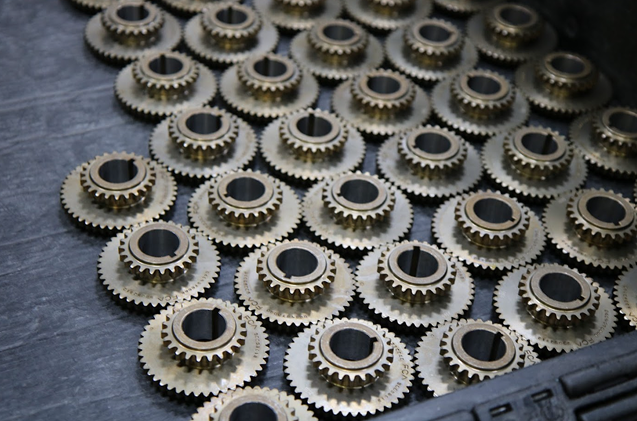
When engineers hear "powder metal," the first reaction is often skepticism.