Types of Heat Treatment for Powder Metal Parts: Comparing 5 Common Methods
Heat treatment can change the hardness, wear resistance, surface condition, dimensional stability, and machinability of a powder metal part. But the...
5 min read
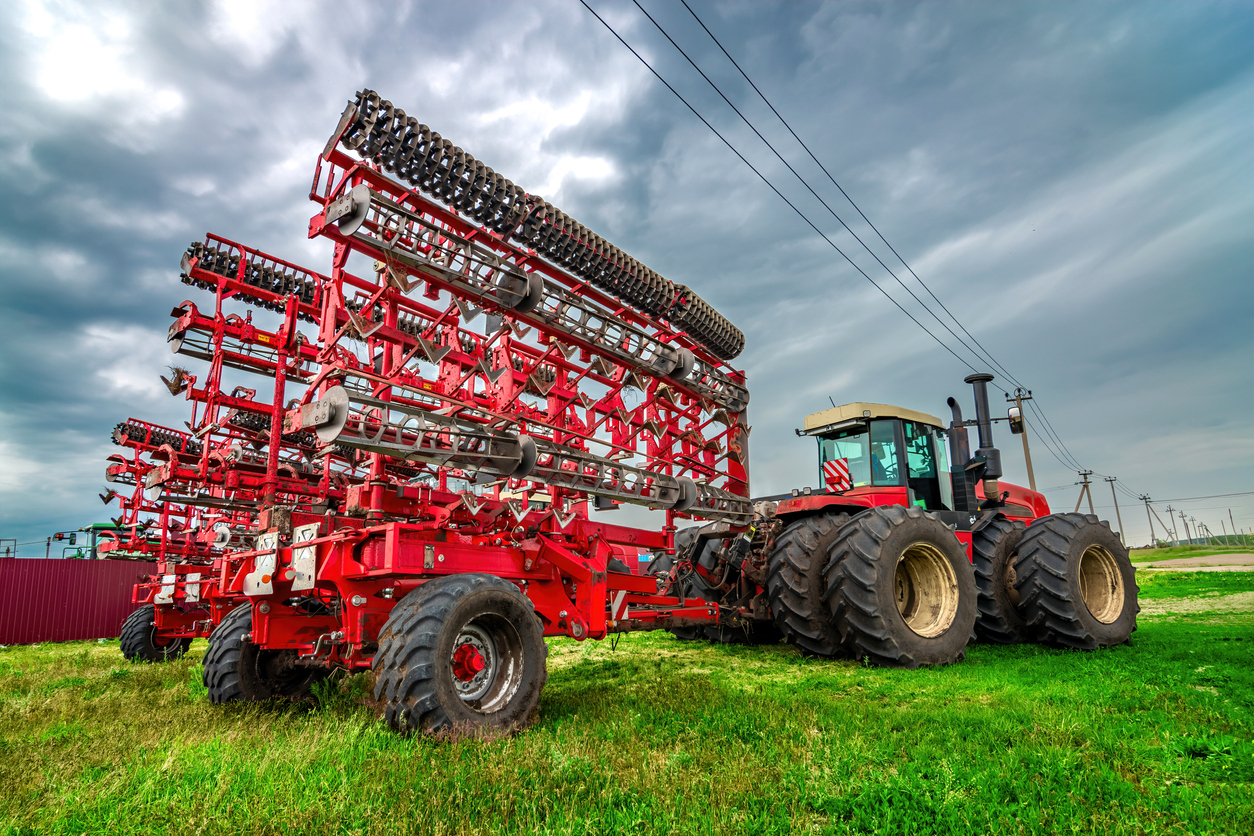
Agricultural electrification doesn't necessarily mean replacing every diesel tractor with a battery-powered alternative.
A broader shift is happening throughout agricultural equipment. Electric motors, electronically controlled drives, sensors, cameras, and automated systems are taking over functions that have traditionally depended on mechanical or hydraulic power.
For agricultural equipment manufacturers, this shift introduces new component requirements. Smaller motors and compact drive systems can require precision gears, pinions, bushings, bearings, hubs, couplings, rotors, structural components, and magnetic components that deliver reliable performance without taking up unnecessary space.
That makes agricultural electrification as much a component and materials challenge as it is a power-source transition.
Agricultural electrification is the use of electrically powered systems to perform or control functions throughout agricultural operations.
That includes fully electric machinery, but it also encompasses individual electrically driven systems within otherwise conventional equipment. Electrification is appearing across planting, seeding, irrigation, material application, implements, and other agricultural operations.
This distinction matters because some of the most practical opportunities for agricultural electrification don't require replacing the primary power source of an entire machine.
Instead, manufacturers can replace or supplement specific mechanical and hydraulic functions with electric motors and electronically controlled drives.
The result can be more precise control and better integration with sensors, cameras, software, and automated systems.
Electrification also changes what's required mechanically. Motors still have to transfer torque. Shafts still have to be supported. Components still have to resist wear and repeated loading. Pumps, actuators, and drive assemblies still depend on accurately manufactured metal parts.
The difference is that these components may now have to fit into smaller, more integrated assemblies.
Precision planting is one of the clearest examples of agricultural electrification in practice.
Traditional planting equipment may mechanically drive multiple row units together. Electrified equipment can use individual motors to control separate seed meters while cameras, sensors, and electronic controls monitor what's happening throughout the planting process.
This gives the equipment more granular control.
Individual rows can be controlled independently. Seed placement can be monitored more closely. Variable-rate systems can adjust how much seed or material is applied as equipment moves through different areas of a field.
The value isn't simply replacing a mechanical component with an electric one. It's giving the equipment greater control over the agricultural process.
An electric motor for agriculture has to do more than turn.
In applications such as precision planting, motors may need to repeatedly deliver accurate motion under changing speeds, loads, and field conditions.
The metal components surrounding those motors have to support that performance.
Gears and pinions can translate motor output into the torque and speed required by the application. Bushings and bearings can support rotating components. Hubs, couplings, and other power-transmission parts can connect the motor to the driven system.
Depending on the motor design, soft magnetic components can also play a role in directing magnetic flux within the electromagnetic system.
For equipment engineers, that means motor selection, gearing, component geometry, materials, tolerances, and manufacturing methods should be considered as parts of the same system.
Determining the right material and manufacturing process for an electrified agricultural component can be challenging. Before finalizing your design, contact COMTEC Manufacturing to discuss your application.
Full-machine electrification comes with challenges that are particularly relevant to agricultural equipment.
Farm machinery can operate for extended periods under significant and highly variable loads. Planting and harvesting also create narrow operating windows where downtime can affect productivity.
Battery weight and packaging are major considerations. Batteries, electric motors, power electronics, controls, wiring, and mechanical components all have to fit within the equipment while maintaining its intended functionality.
Operational continuity matters when machinery needs to run for extended periods. Charging requirements can't interfere with time-sensitive field operations.
Charging infrastructure presents another challenge. Agricultural equipment often operates in rural or remote locations where high-capacity charging may not be readily available.
Grid capacity can also vary considerably between agricultural operations and regions.
These challenges are one reason farm electrification doesn't have to be an all-or-nothing transition.
Instead of asking when every tractor will become electric, equipment manufacturers can ask a more practical engineering question:
Which functions can benefit from electrification now?
A manufacturer might electrify a seed meter, pump, actuator, positioning system, auxiliary drive, or material-handling function while retaining the machine's existing primary power source.
This approach can improve control over individual operations without requiring the entire machine to be redesigned around battery-electric propulsion.
It also changes component requirements.
Replacing mechanical or hydraulic systems with compact electric drives can create demand for smaller gears, pinions, bushings, hubs, couplings, bearing components, pump components, motor components, and structural parts.
These metal parts have to provide the required mechanical performance while fitting into increasingly space-constrained assemblies.
For component manufacturers, that creates opportunities to reconsider both material selection and manufacturing processes.
As agricultural equipment becomes more electrified, manufacturers have to consider not only what metal components are needed, but how those components should be produced.
Powder metallurgy can be particularly useful for repeat production of precision metal parts with complex or consistent geometries.
The process compacts engineered metal powders into a desired shape before sintering bonds the particles metallurgically. Because many features can be formed during compaction, powder metallurgy can produce near-net-shape components with less material removal than conventional machining may require.
Potential applications within agricultural equipment can include:
Power transmission components. Gears, pinions, sprockets, hubs, and couplings may be used to transfer power from electric motors to individual equipment functions.
Motor and actuator components. Bushings, bearing components, rotors, armatures, structural components, and other precision metal parts may be incorporated into motors and electrically controlled actuators.
Pump components. Electrified pumps and fluid-handling systems can require precision metal components designed for repeated operation, wear resistance, and dimensional consistency.
Structural components. Brackets, supports, retainers, flanges, and other structural parts may be candidates for powder metallurgy when their geometry, loading, tolerances, and production volume align with the process.
This is where component design becomes especially important. Not every metal part is a good powder metal candidate, but parts designed with the process in mind can take advantage of near-net-shape manufacturing and repeatable high-volume production.
Agricultural equipment isn't an easy operating environment.
Metal components may encounter dirt, moisture, vibration, temperature changes, repeated loads, impact, and extended operating cycles. Electrification doesn't eliminate these conditions. It adds electrical and packaging requirements on top of them.
Component designers therefore have to balance several factors.
A gear or pinion may need sufficient strength and wear resistance to survive repeated loading. A bushing may need to support a rotating shaft while maintaining dimensional consistency. A structural component may need to handle mechanical loads without adding unnecessary size or weight.
Materials should be selected around those requirements rather than treating all powder metal parts the same.
Density, alloy composition, heat treatment, geometry, surface finish, dimensional tolerances, and secondary operations can all influence final component performance.
Manufacturability should enter that conversation early.
A part originally designed around machining may contain geometry that can be formed during powder metal compaction. Multiple features or even separate components may be candidates for consolidation. Secondary machining can then be reserved for surfaces, holes, tolerances, or other features that actually require it.
That design-for-manufacturing approach can become increasingly valuable as agricultural OEMs try to package more technology into the same amount of space.
Agricultural electrification is ultimately about more than electric tractors.
It's happening at the subsystem and component level.
A seed meter can gain independent electric control. An actuator can automatically adjust equipment based on sensor data. A pump can be driven independently rather than relying entirely on a central mechanical or hydraulic system.
Inside those systems, gears transfer torque, pinions reduce or increase speed, bushings support moving components, hubs and couplings connect assemblies, structural metal parts support loads, and magnetic components help electric systems function.
Each individual improvement can help agricultural equipment become more precise, responsive, and efficient without requiring the entire machine to become fully electric.
For OEMs and engineers, that means agricultural electrification will increasingly influence component geometry, materials, packaging, tolerances, and manufacturing methods.
Choosing the right manufacturing process is part of that equation.
When an application requires repeatable production of precision gears, pinions, bushings, motor components, soft magnetic components, or other complex metal parts, powder metallurgy may provide an alternative to conventional manufacturing.
Determining whether a metal component is a good candidate for powder metallurgy depends on its geometry, material requirements, tolerances, performance demands, and production volume. Evaluating those factors early can help manufacturers develop parts that are designed for both performance and efficient production.
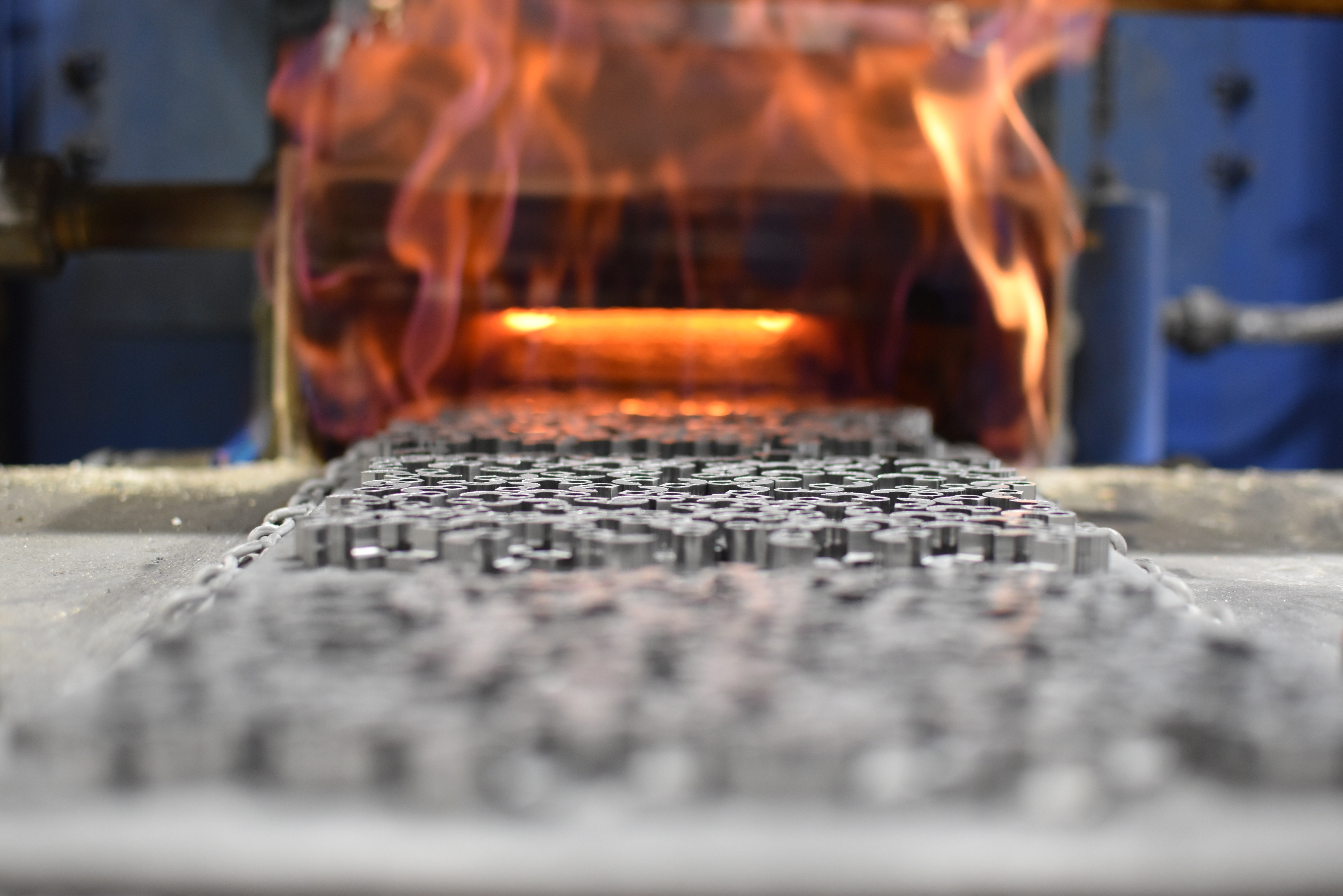
Heat treatment can change the hardness, wear resistance, surface condition, dimensional stability, and machinability of a powder metal part. But the...
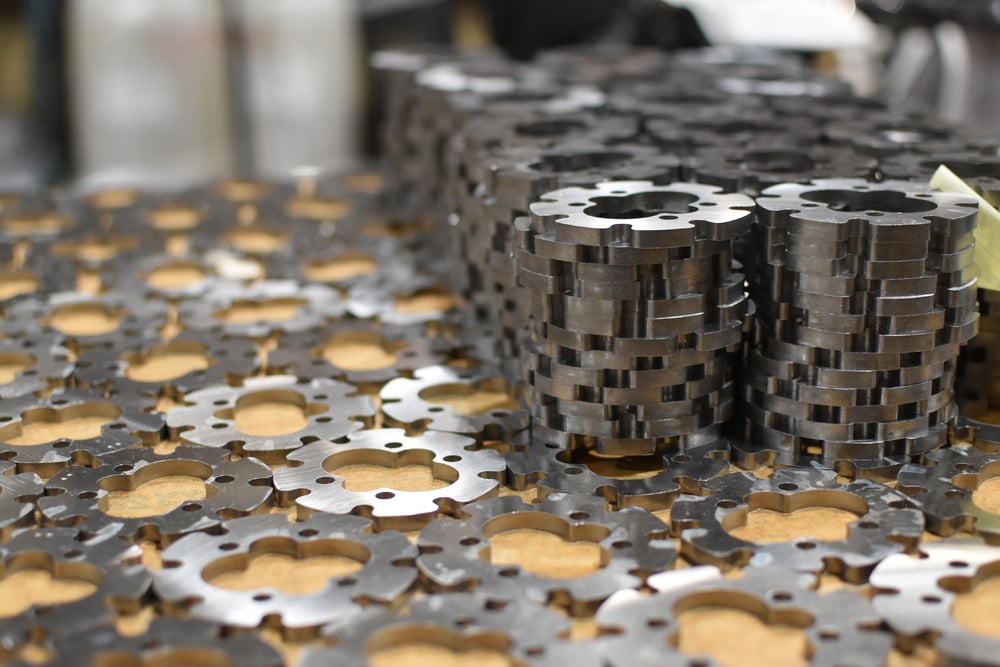
Reducing the cost of a metal component isn't always about finding a less expensive material or negotiating a lower machining rate. Sometimes, the...
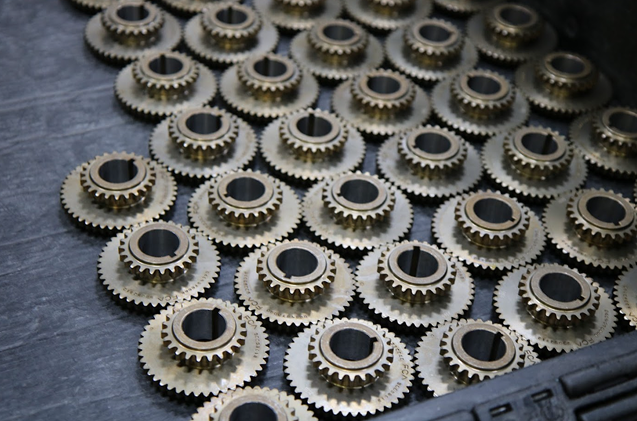
When engineers hear "powder metal," the first reaction is often skepticism.